 Skip to main content
Top Astrophotography Targets 2020
As we welcome in another New Year, we hope to guide any astrophotographers with the New Year’s resolution of making the most of this fascinating hobby by pointing out some of the top astrophotography targets as winter continues across the northern hemisphere.
Our Astrophotography Targets List Includes:
- Pleaides (M45)
- The Starfish Cluster (M38)
- The Orion Nebula (M42)
- The Whirlpool Galaxy (M51)
- The Cigar Galaxy (M82)
- The California Nebula (NGC1499)
- The Rosette Nebula (NGC 2237)
- M78
- The Monkey Head Nebula (NGC 2174)
- The Crab Nebula (M1)
Pleaides (M45)
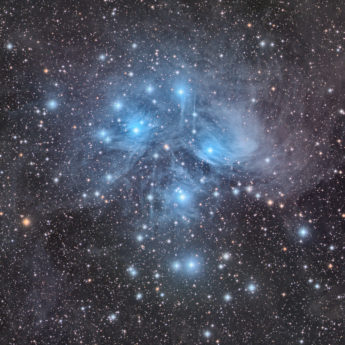
An open star cluster of over 800 stars in which the brightest stars glow a striking blue colour. The biggest challenge when capturing Pleaides is in balancing the bright stars with the faint surrounding nebulosity.
The Starfish Cluster (M38)

Like Pleaides, the Starfish Cluster is an open star cluster, however the Starfish Cluster is located in the northern constellation of Auriga. This cluster is a good target for beginners in particular as it is not too difficult to find due to it being located within the polygon formed by the brightest stars of Auriga.
Reference: https://www.messier-objects.com/messier-38-starfish-cluster/
The Orion Nebula (M42)
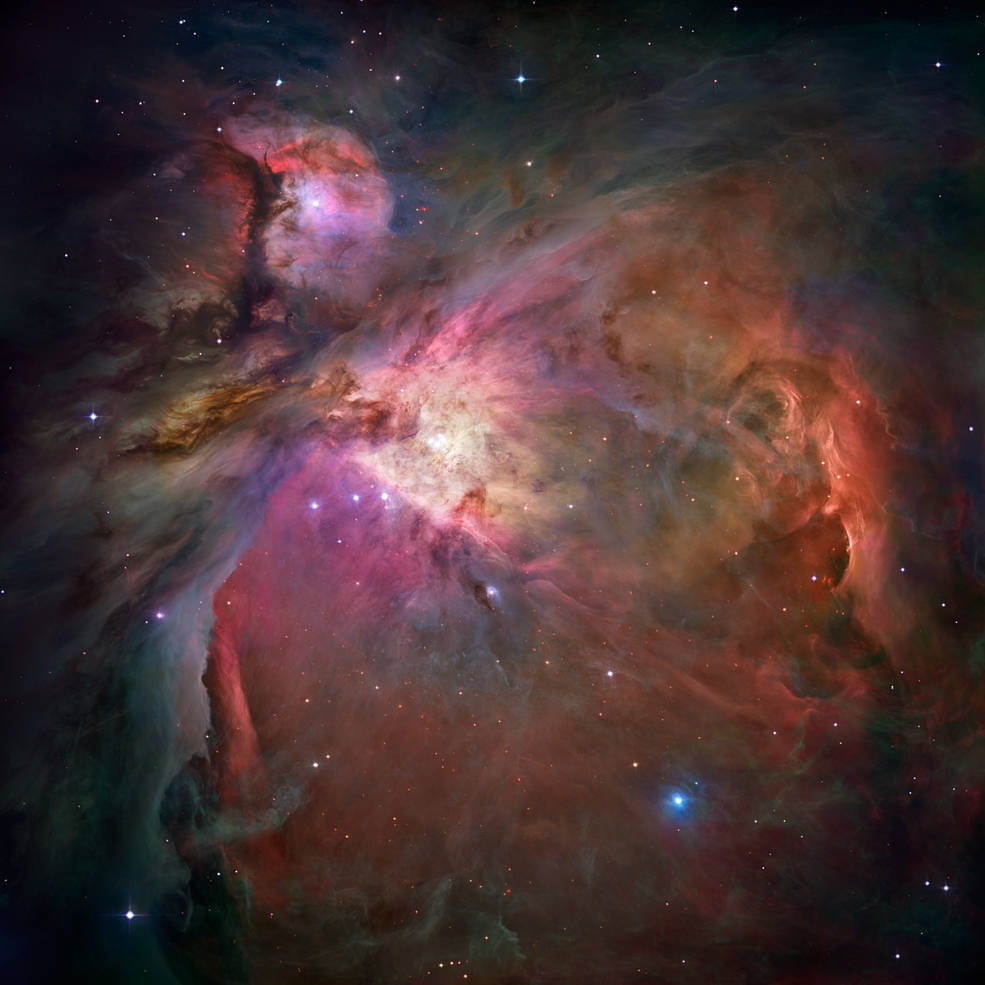
The Orion nebula is easy to locate due to its proximity to one of the most famous constellations, Orion the Hunter. Only 1,500 light-years away, it is the closest large star-forming region to Earth. The most popular approach to capture this nebula is to take a variety of short and long exposures that can be carefully combined in post-processing.
Reference: https://www.nasa.gov/feature/goddard/2017/messier-42-the-orion-nebula
The Whirlpool Galaxy (M51)
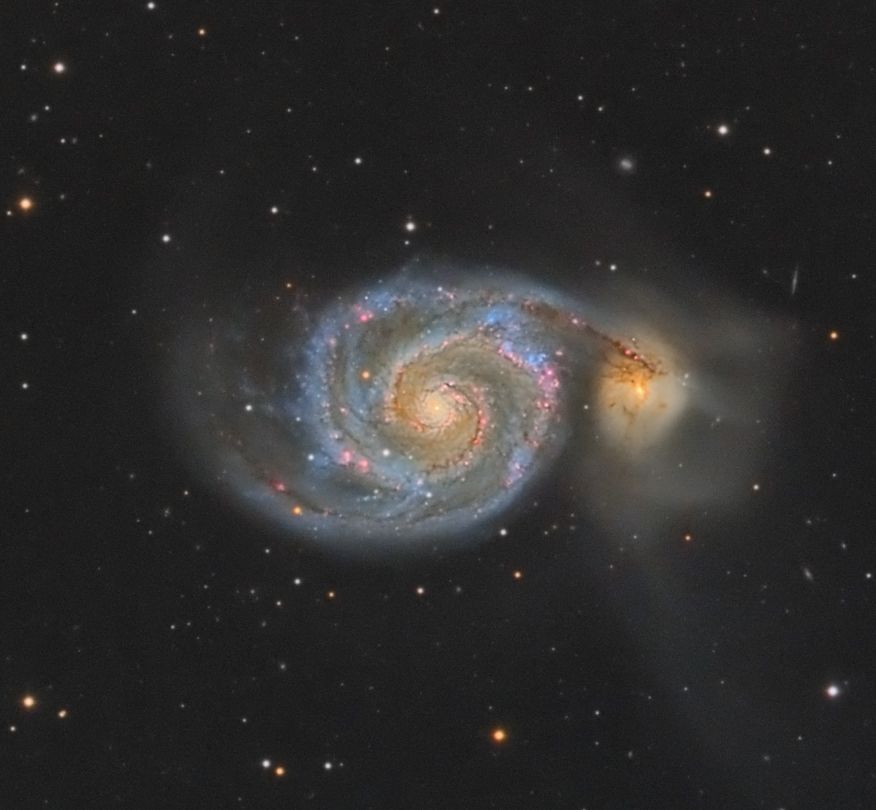
The Whirlpool Galaxy is a spiral galaxy that is 30 million light years away from Earth and is described by Nasa as “One of the brightest and most picturesque galaxies in the sky.”
Reference: https://www.nasa.gov/multimedia/imagegallery/image_feature_2457.html
The Cigar Galaxy (M82)
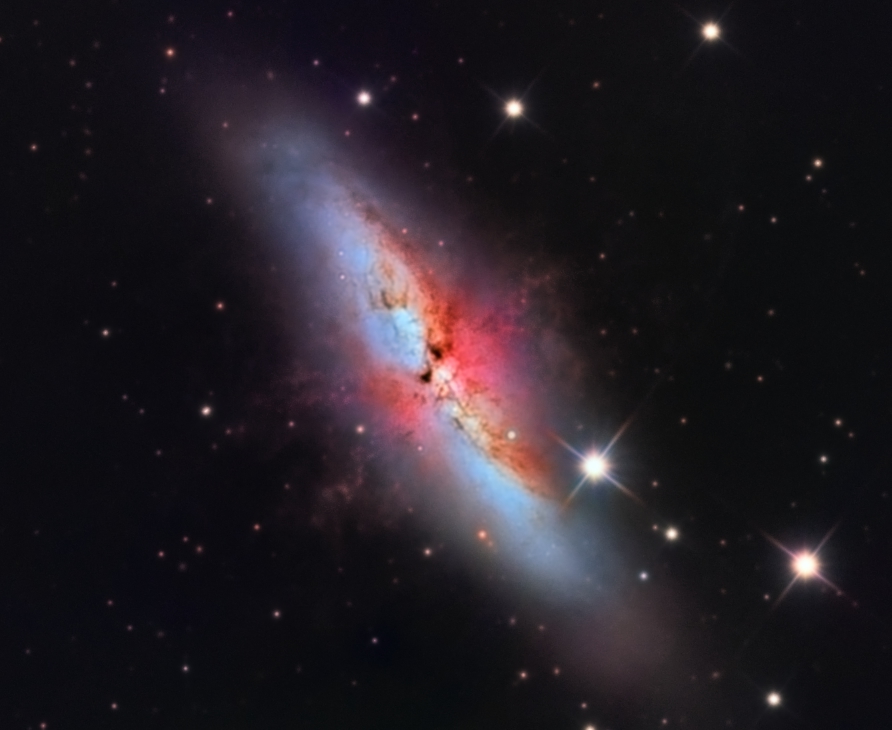
This galaxy experiences gravitational interactions with its galactic neighbour which cause it to have extraordinarily high rates of star formation. This starburst makes the Cigar Galaxy about five times more luminous than the Milky Way, making it a fantastic target for astrophotography.
References: https://www.nasa.gov/feature/goddard/2017/messier-82-the-cigar-galaxy
https://www.messier-objects.com/messier-82-cigar-galaxy/
The California Nebula (NGC1499)

Resembling the shape of the US state of California, this is an intense hydrogen emission nebula located in the Perseus constellation. A popular way of capturing this nebula is with the aid of narrowband filters.
Reference: https://astrobackyard.com/california-nebula/
The Rosette Nebula (NGC 2244)

The Rosette Nebula is based in the constellation Monoceros and is approximately 5,200 light years away from Earth. Lit by young stars within the region, the Rosette nebula is striking and colourful winter target.
Reference: https://www.skyhound.com/NGC%206888.html
M78
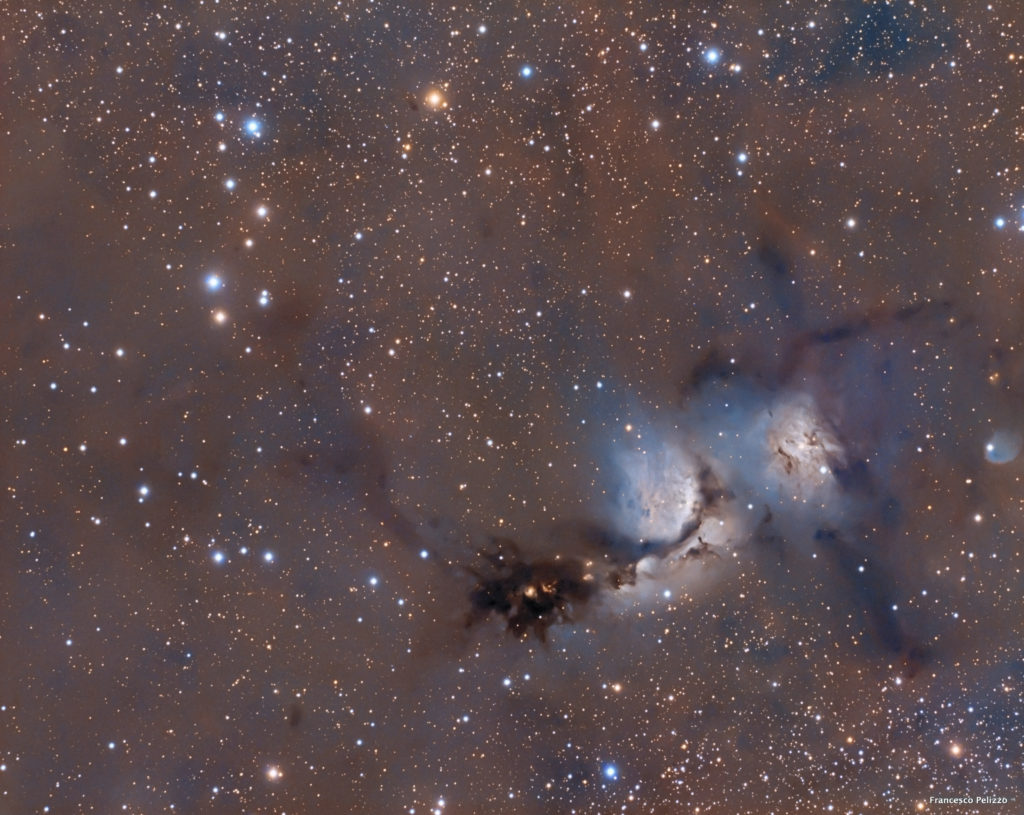
Often overlooked in favour of the Orion nebula (M42) in the Orion constellation, M78 is a reflection nebula located in the constellation. It is notable for one side of the nebula flaring away like the tail of a comet, a detail which has confused many would-be comet discoverers over the years into thinking that they have made a new discovery.
Reference: https://www.nasa.gov/feature/goddard/2018/messier-78
The Monkey Head Nebula (NGC 2174)
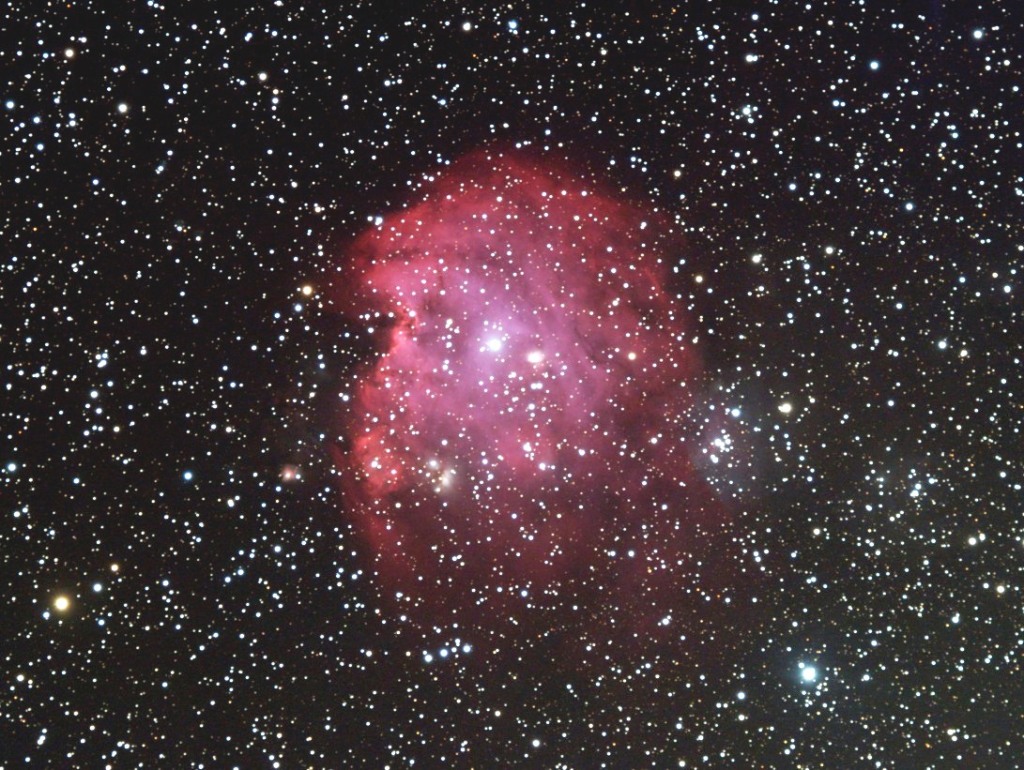
Another nebula located in the Orion constellation, the Monkey Head nebula lies approximately 6,500 light years away from Earth. This nebula is a star nursery and its detail is caused through the discarding of gas and dust that occurs due to the inefficient process of star formation and the high velocity of winds that are caused by recently born stars which blow the gas outwards.
Reference: https://www.spacetelescope.org/news/heic1406/
The Crab Nebula (M1)
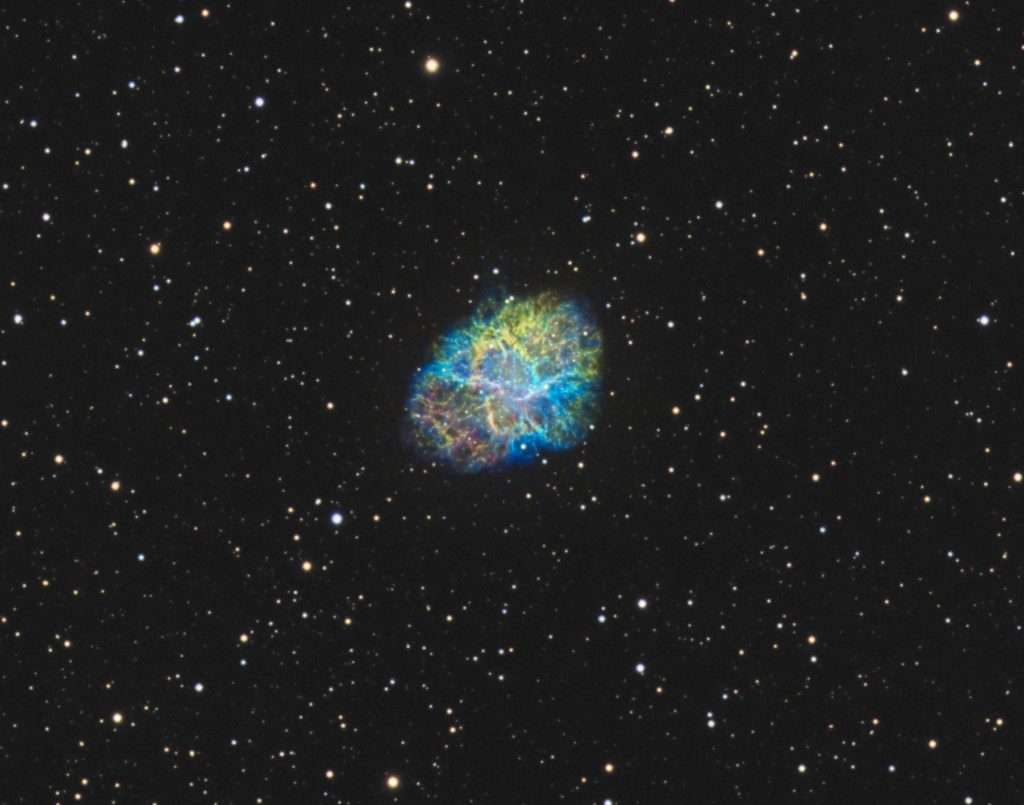
This spectacular target is given its dramatic appearance through the rapidly spinning neutron star that is embedded in the middle of the nebula. The complex details of the crab nebula are most prominent when imaging in narrowband, with Hydrogen Alpha capturing such structures most effectively.
Reference: https://www.nasa.gov/feature/goddard/2017/messier-1-the-crab-nebula
We hope that you have found this list useful and hope that you enjoy astrophotography throughout the year and beyond no matter your level of experience or whether you are imaging with a CCD or CMOS camera.
