Skip to main content
Scaling from Dozens to 500 Cameras Per Week
The ability to rapidly respond to extreme demand spikes reveals not just a company’s production infrastructure, but its organizational agility and capacity for innovation. Between 2020 and 2021, Atik Cameras faced an unprecedented challenge: scaling scientific camera production from dozens of units monthly to 500 cameras per week, while maintaining rigorous quality standards and tight delivery schedules.
This case study documents how Atik Cameras transformed an unexpected opportunity into an organizational milestone, implementing systems, processes, and methodologies that remain strategic assets long after the initial project.
Background: From Sporadic Client to Massive Order
The relationship with a Sino-Canadian company specialized in PCR equipment, began in 2011/2012 in a modest way. After initial tests with different Atik models, it established itself as a regular customer, purchasing small batches of cameras every few months. For nearly a decade, this pattern remained stable and predictable.
In October 2019, before the world knew the term “COVID-19,” an unusual order was placed: the largest single order to date. A few months later, at the end of 2019, the company requested additional units.
What we didn’t yet understand was that China already suspected the impending health emergency and this client was preparing for an explosive demand for PCR testing equipment for COVID-19.
The Challenge: Scaling to 500 Cameras Per Week
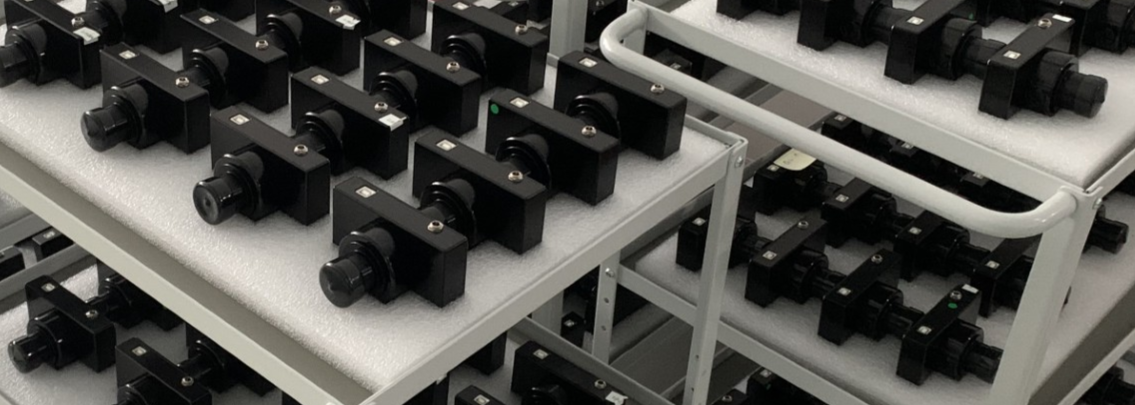
In early 2020, Atik Cameras signed the first high-volume supply contract with this PCR equipment manufacturer. Two additional contracts followed , totaling over 30 000 cameras supplied exclusively until 2022. Initial demand for 100 cameras monthly quickly escalated to 150, then 200, then 500 – with weekly changes to demand forecasts.
Accelerated Organizational Transformation
Simultaneously, Atik implemented a complete shop floor management system, a strategic decision that would prove essential. The system became operational in approximately three months, with continuous refinements over the following year.
This system provided:
- Complete traceability: Every component, every process, every camera fully documented
- Real-time visibility: Production monitoring and immediate bottleneck identification
- Data-driven management: Decisions supported by concrete performance metrics
- Scalability: Configurable for different models and production volumes
Production Paradigm Shift
Traditionally, Atik produced cameras through a job-based method: one or two technicians built each camera from start to finish. This method works perfectly for low-volume production and high customization but is impractical for mass production.
For the this project, the company implemented sequential assembly line production:
- Dedicated operators exclusively for this project
- Sequenced processes: Each operator executes specific operations, passing the camera to the next
- Time optimization: Reduction of assembly time to less than 4 minutes per camera
- Specialization: Each operator perfectly masters their specific operations
This dedicated line operated in parallel with regular production for other customers, ensuring the project didn’t compromise other commercial commitments.
Design and Process Optimizations
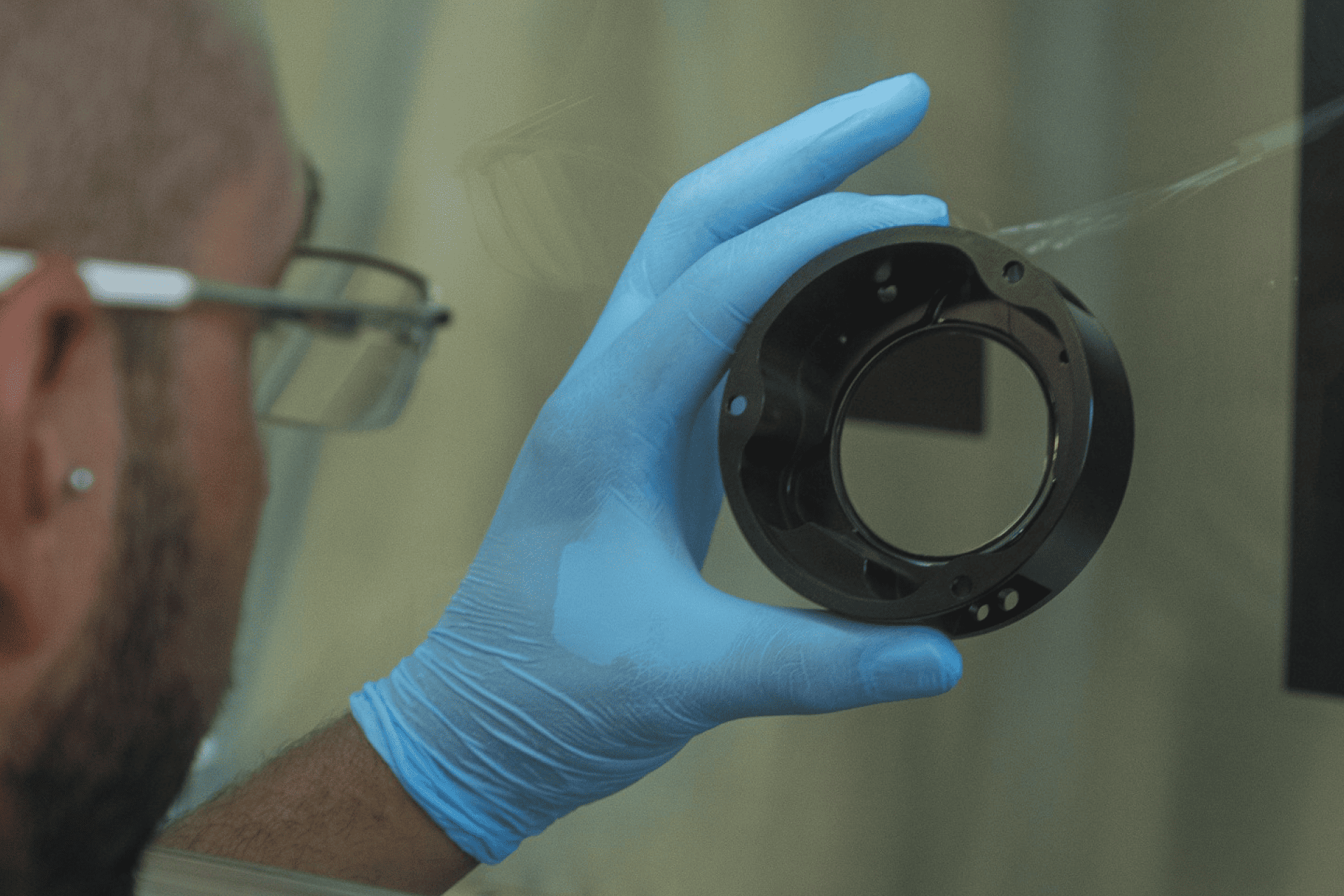
Although the specific camera model was already an established product, minor design modifications proved crucial for enabling high-speed production:
- Assembly simplification: Adjustments that facilitated sequential processes
- Optimized components: Component selection that accelerated assembly without compromising quality
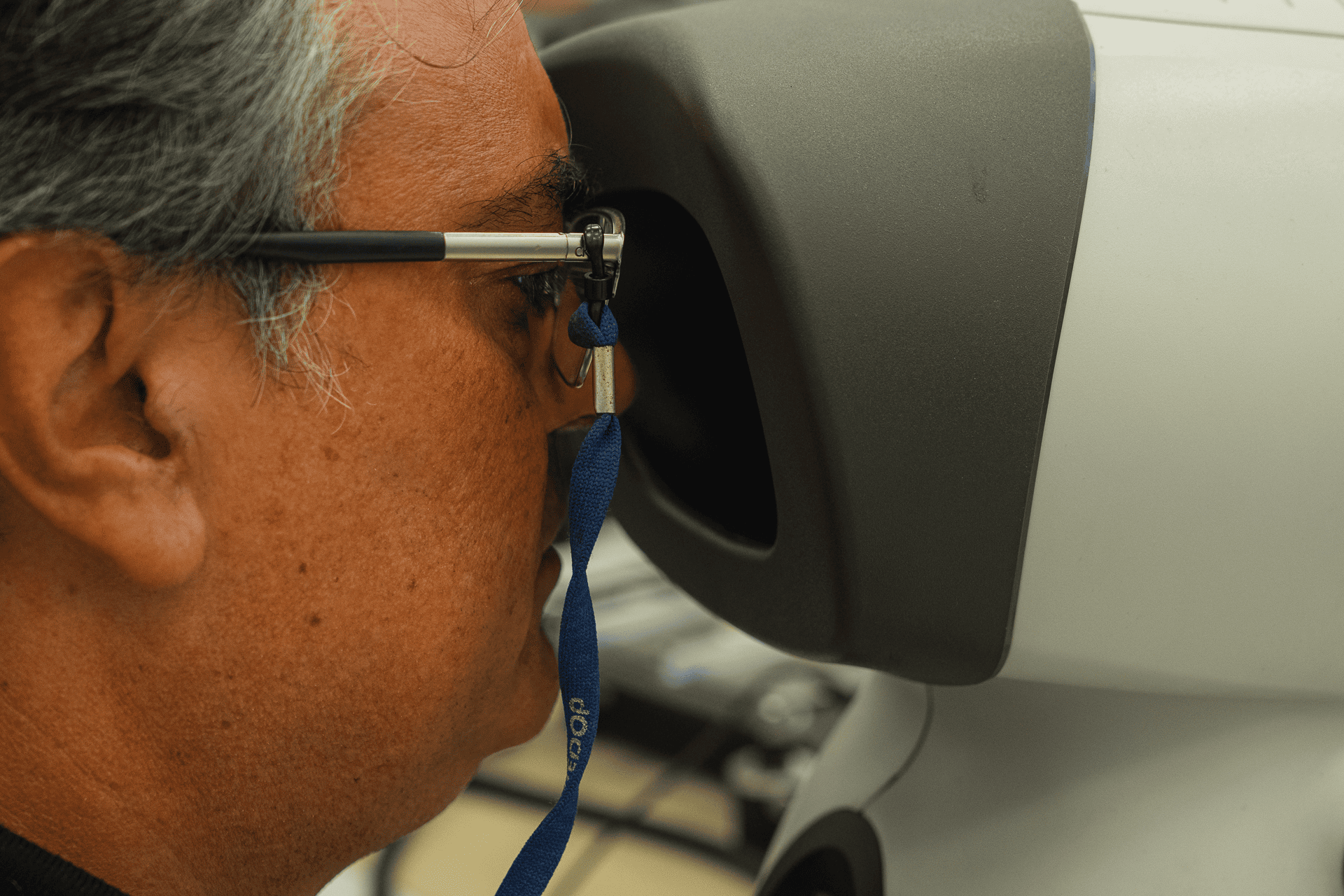
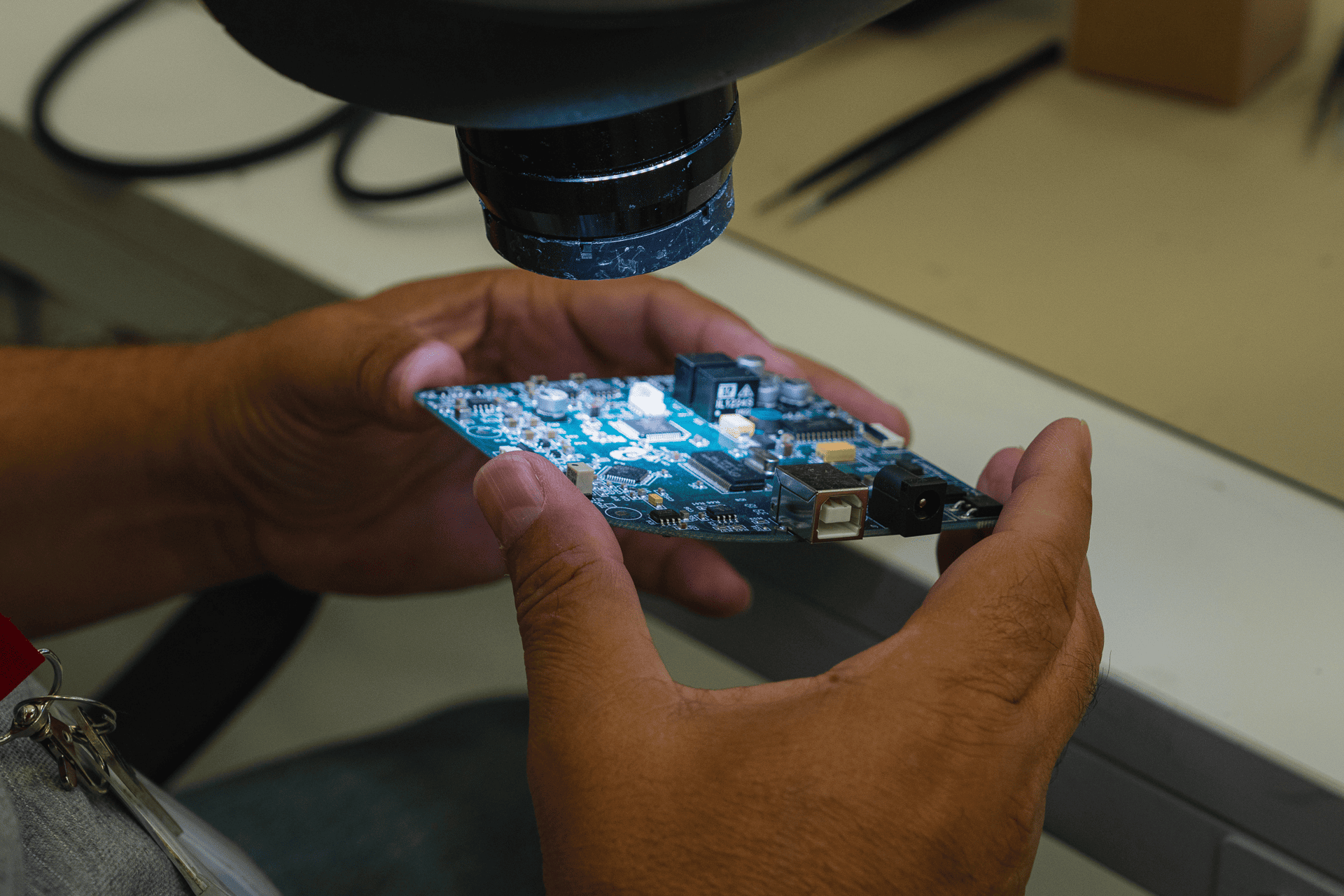
- Testing procedures: Fast but rigorous testing procedures integrated into production flow
These optimizations were decisive in achieving the target of less than 4 minutes per unit.
Supply Chain and Economies of Scale
Producing 500 cameras weekly requires complex supply chain coordination:
- Volume purchasing: Ordering in large quantities instead of hundreds, translating to significant cost advantages
- Supplier partnerships: Close collaboration with key suppliers who maintained regular supply despite pandemic constraints
- Optimized logistics: Development of custom packaging accommodating 64 cameras per box (versus traditional individual packaging), dramatically reducing:
- Packing time (approximately 50% reduction)
- Shipping costs
- Storage space requirements
- Environmental impact per unit shipped
Strategic Equipment Investment
The project justified significant investments in testing and production equipment, including additional analysis equipment, duplicated process stations, and expanded capacity tooling.
This equipment remained in the facilities after the project, permanently increasing the company’s production capacity.
Results and Performance Impact
At production peak, Atik Cameras delivered:
- 500 cameras per week in a single shift
- Rejection rate of 0.36% (extraordinarily low for high-volume production)
- Less than 4 minutes per camera in assembly time
- Consistent deadline compliance despite accelerated delivery pressure
Total Volume and Permanent Capabilities Acquired
Over three years, Atik supplied more than 30 000 cameras for PCR equipment, representing a transformational project for the company.
The most valuable legacy of this project wasn’t financial, but organizational: the capacity to rapid scale any camera model to multiples of normal volumes with relatively short preparation time; the shop floor management, component traceability, sequential production methodologies and optimized testing procedures; the team know-how; the physical infrastructure; and the proven credibility.
Few specialized scientific camera manufacturers can demonstrate the ability to scale production 20-30x in weeks, while maintaining exceptional quality (0.36% rejection) at high volume.
Conclusion
The company transformed a one-time project into a catalyst for permanent organizational evolution. The capabilities, systems, and know-how acquired remain as strategic assets, positioning Atik Cameras to respond to future high-volume opportunities with proven confidence and competence.
This is the essence of production excellence: not just executing one exceptional project, but building enduring capabilities to position the company for sustainable long-term growth.